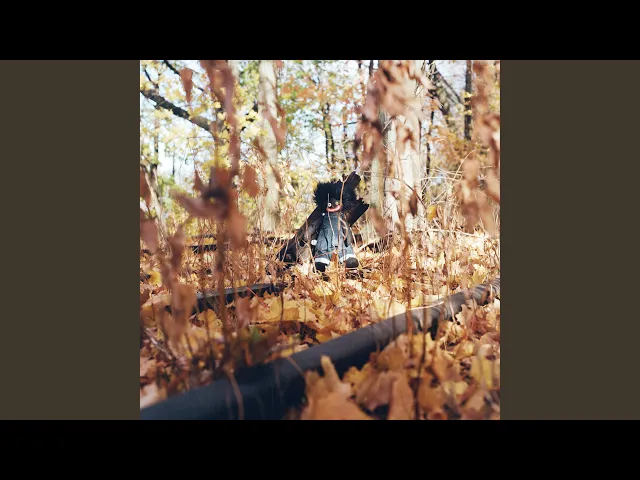
This is not a ‘nice’ album, it is not ‘good vibes’ in fact the vibes are actively bad.
This is not a coffee table album, nor something to be played in the background to your dinner party – unless it’s the dinner party from Texas Chainsaw Massacre. billy woods doesn’t do that, instead he has carved out a unique niche in modern rap.
This latest offering really leans into the nature of horror. The first deep cut of the album (and at 18 tracks there are a few) is ‘Counterclockwise’, whose brooding atmosphere gives hints of the original African-American musical horror story, Billie Holliday’s ‘Strange Fruit’.
Interspersed with samples of everything from slasher dialogue to reports detailing US Army torture allegations, the production is a sludgy, lumbering beast; something old and vengeful rising from the swamp to exact its judgement on both modern America and the moments from its history it would rather forget.
As with previous work, woods’ go-to producer is Kenny Segal, whose style acts as the perfect musical foil to his slurring, drunk-walking-home-in-a-storm delivery. However, GOLLIWOG feels like woods’ most musically diverse album, with guest spots from producers The Alchemist and EL-P [Run The Jewels], as well as the electro/40s-noir-jazz stylings of HUMAN ERROR CLUB. Just imagine if Chet Baker had scored Blade Runner.
As diverse as the musical influences are, the lyrics are sharpened down to a knife point. Every bar, every turn of phrase fits into woods’ musical vision. Every metaphor, every anecdote points towards the overarching themes of the album.
As GOLLIWOG unfolds, especially on the ELUCID-featuring ‘All These Worlds Are Yours’, the theme of American imperialism, and imperialism generally, becomes the central concern. Once again placing ‘the horror’ into a neocolonial context draws the line between the Congo, Vietnam and Gaza.
The album’s lead single, and arguably most conventional song (the usual features: verse, chorus, hook etcetera) is ‘BLK ZMBY’. Adding to the strong canon of songs using the metaphor of the zombie to interrogate colonial and postcolonial violence, woods’ version follows the money trail across continents and oceans, painting a centuries-old picture of financially-motivated murder.
At 18 tracks, the album is a sprawling, ungainly beast. Each song works as part of the whole, though the whole in question does at times threaten to become a dissertation more than an album. Unlike this writer’s dissertation, this one does at least have something to say; but perhaps not every track needs an on-the-nose horror movie sample.
The final two tracks ‘Lead Paint Test’ and ‘Dislocated’, both – again – featuring ELUCID, point towards the idea of haunting and loneliness as comfort, the idea that the unsettled ghosts of your ancestors and the traumas in your subconscious are nothing compared to a reality that is infinitely more horrifying. Bleak but brilliant.