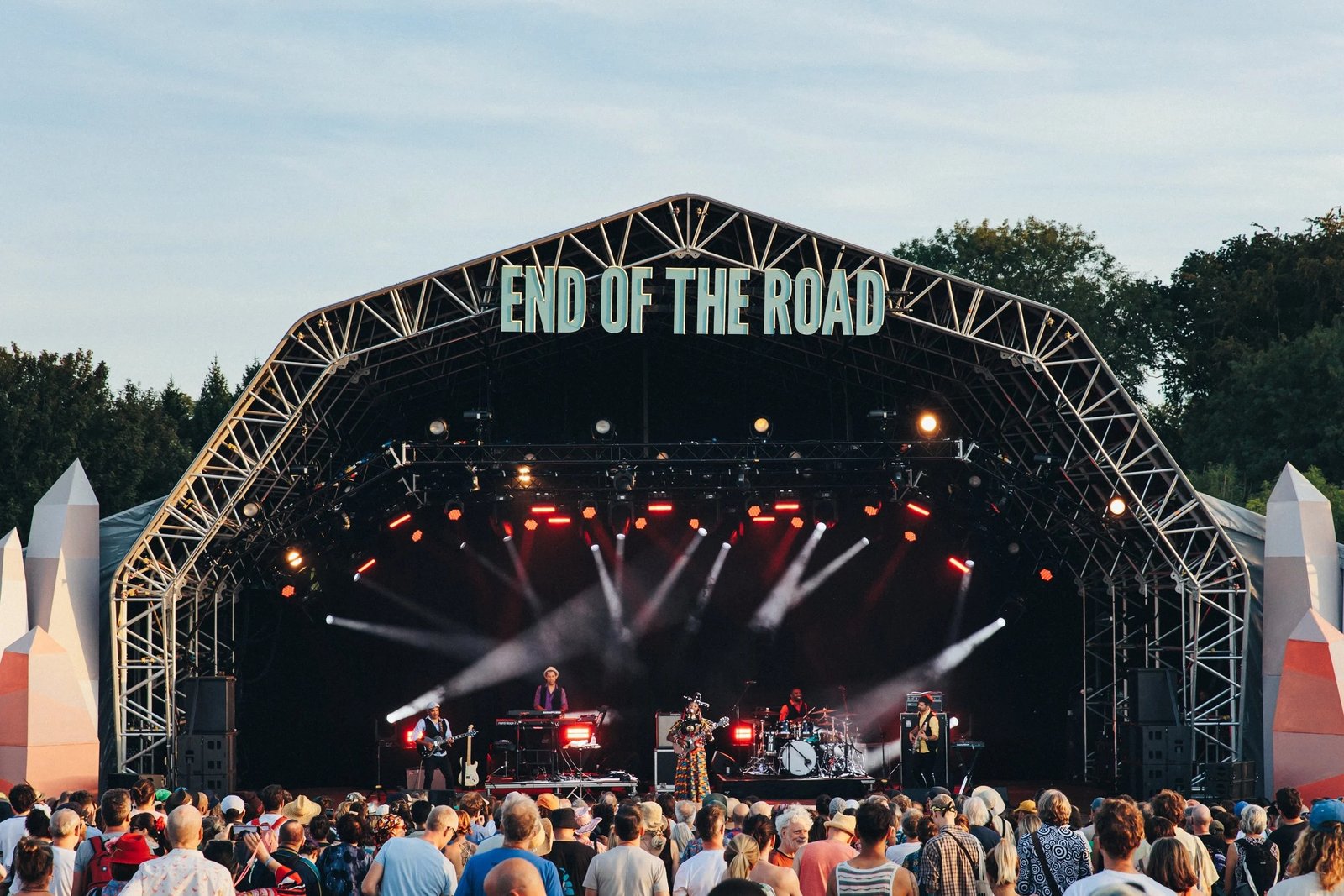
Twenty years on from its inaugural event, End of the Road continues to shine as a one of the most charming and well-curated dates in the European festival calendar.
2026’s no-filler lineup brings some of the most ambitious acts on the circuit [Angine De Poitrine], zeitgeist-dominating risers [Geese] and BRIT-nominated festival mainstays [CMAT] to Larmer Tree Gardens, nestled between Dorset and Wiltshire.
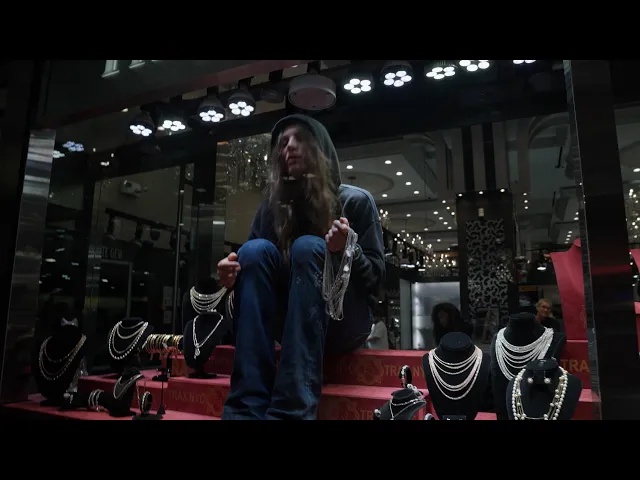
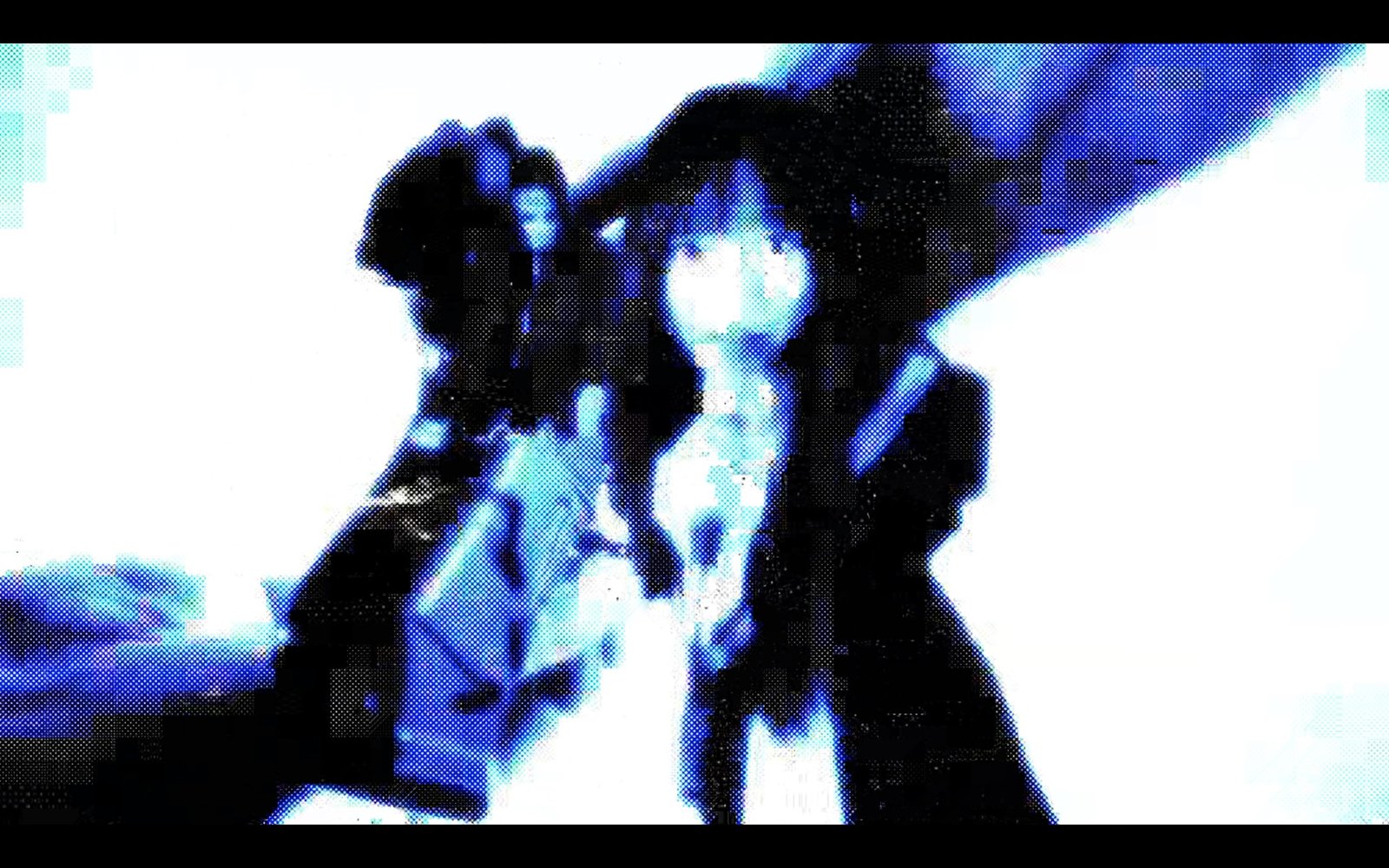
Experimental Philadelphia/NY outfit YHWH Nailgun (pronounced Yahweh Nailgun) take to the Woods Stage ahead of Geese’s Thursday headline turn to snap early arrivers out of their transport-induced stupor. The most singular prospect on End of the Road’s lineup – or any lineup on which they appear, frankly – YHWH Nailgun create an intoxicating cocktail of metal, jazz and polyrhythmic patterns, led by frontman Zack Borzone’s guttural tics and gurning delivery.
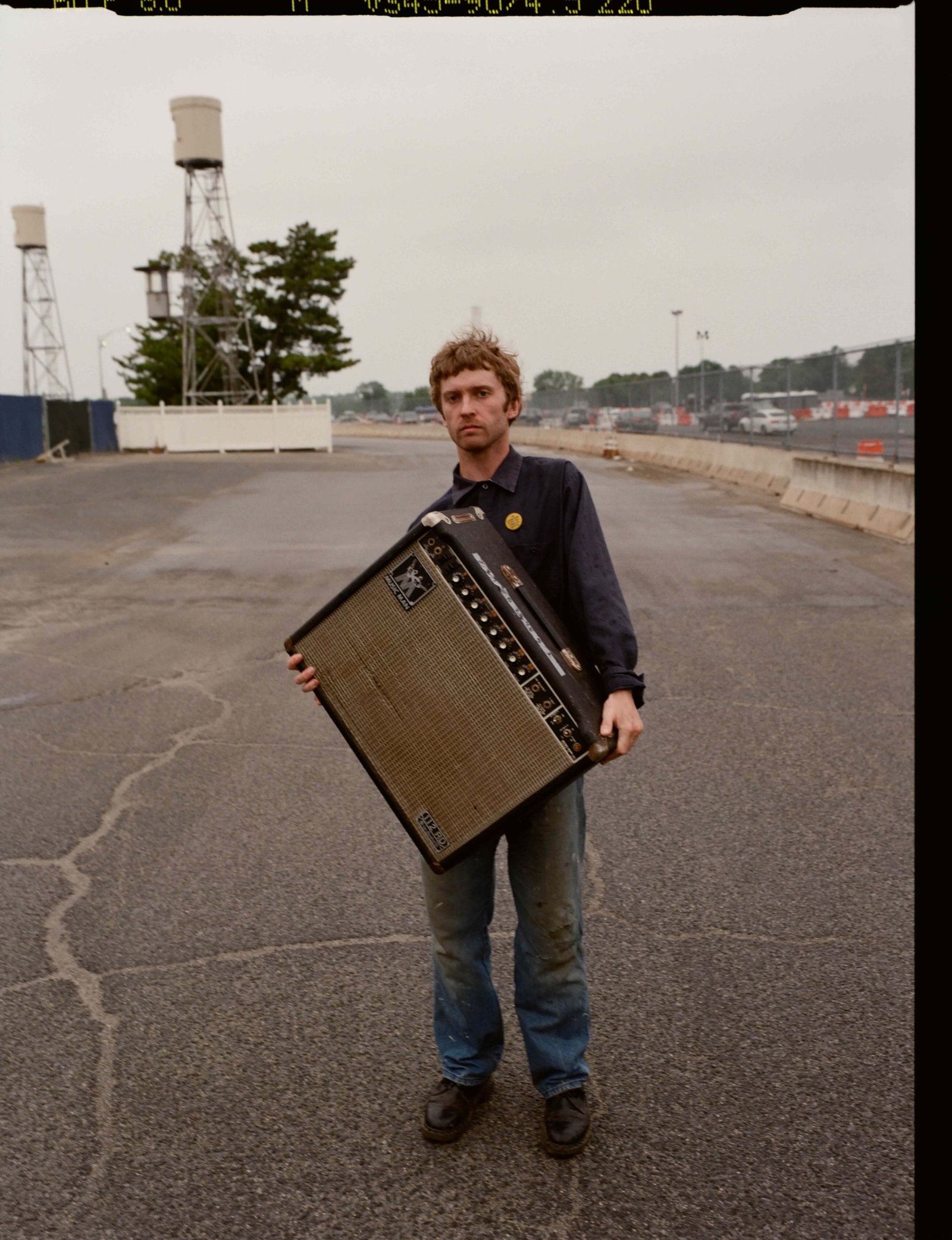
Cambridge-born songwriter Tommy Barlow cuts a more sombre tone on Friday morning, donning an electric guitar while bandmates on acoustic and viola juxtapose Barlow’s gravelled vocals with delicate, sweeping chords. One of the weekend’s early highlights, ‘Earth Killer‘ sees minimalist drum machines and sparse, weighty soundscapes filling every corner of The Boat stage’s marquee.
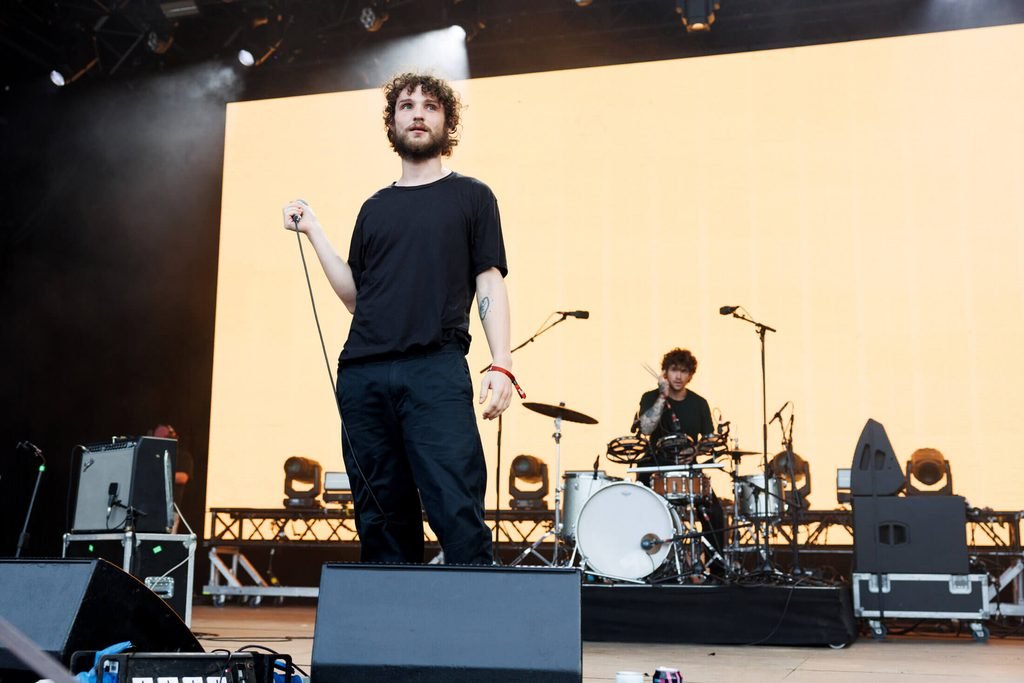
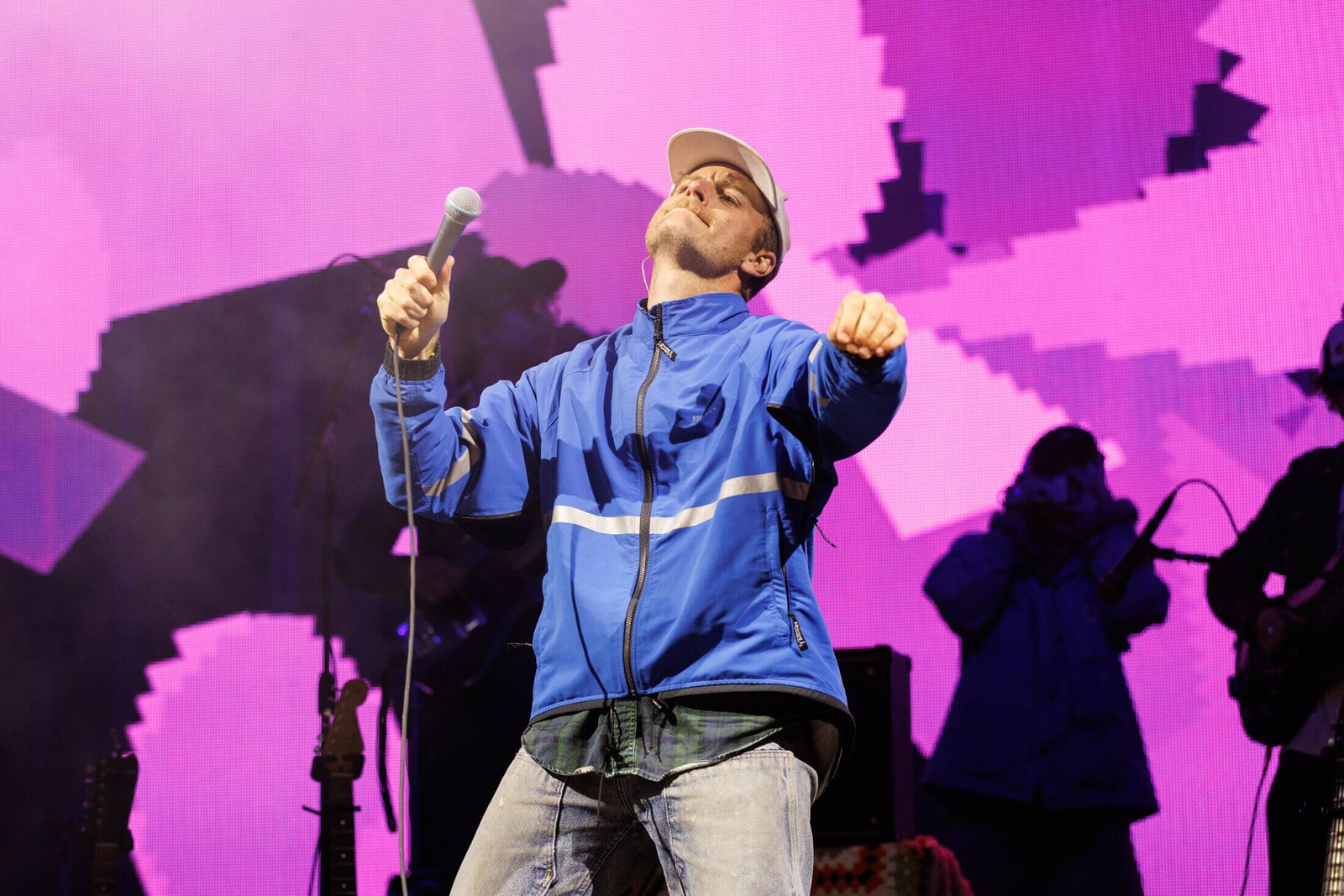
Model/Actriz electrify a capacity crowd at the Big Top tent with a patented combination of industrial, electronic punk and charismatic showmanship, before Mac DeMarco tops the bill with the feel-good set of the weekend: bringing his longtime tour photographer Yuki on stage to sing the second verse of 2015’s ‘No Other Heart’.
The contented afterglow of DeMarco’s Dorset return is long-forgotten by the time Fat Dog commence their Woods Stage set on Saturday afternoon. End of the Road’s family-friendly demeanour descends into pandemonium, as the volume of crowdsurfers threaten to outnumber those who remain earthbound. The setting sun casts a red glow over Larmer Tree Gardens while revellers in an array of fancy dress [including a pair of gnomes, pirates, leopards, cowboys, and a small gaggle of geese] are thrown from one side of the moshpit to the other in a scene akin to a bombscare at a tenth birthday party. “Are you throwing crocs about?!” frontman Joe Love asks mid-set, as he dodges stray missiles of comfortable footwear from the feral crowd.
As the dust settles on Fat Dog’s unforgettable show and bodies are cleared from the scene, the largest crowd of the weekend congregates for Pulp’s headline turn. Bookmarking a set of b-sides and tracks which haven’t seen the light of day in up to 34 years with endearing anecdotes and slideshows from the band’s near-half century of existence, the show has the air of an evening with Pulp. ‘Do You Remember The First Time?’, ‘Babies’ and ‘Common People’ make appearances, as the band announce that this is to be their last show for “a while” and Jarvis Cockers assuredly reaffirms his national treasure status.
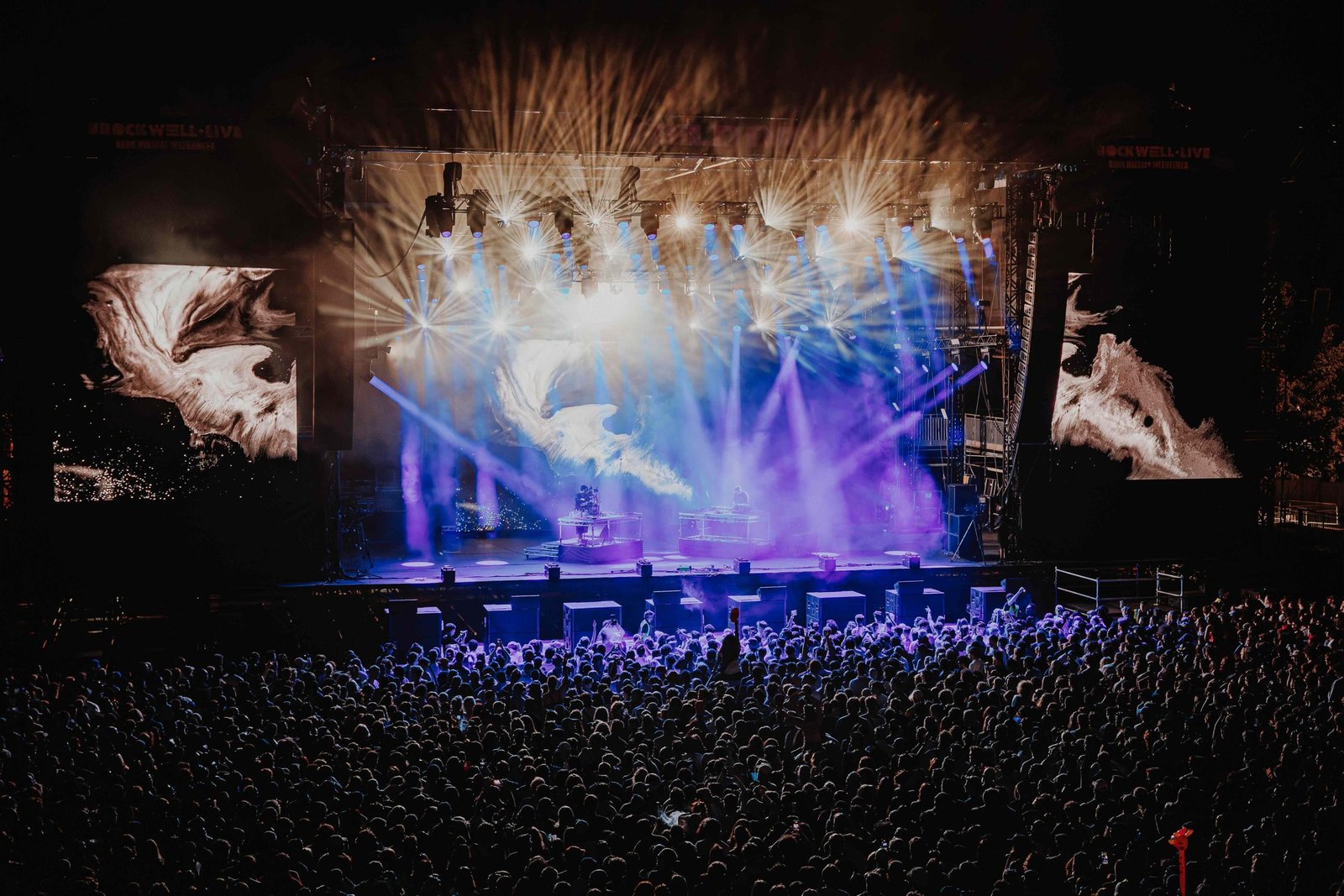
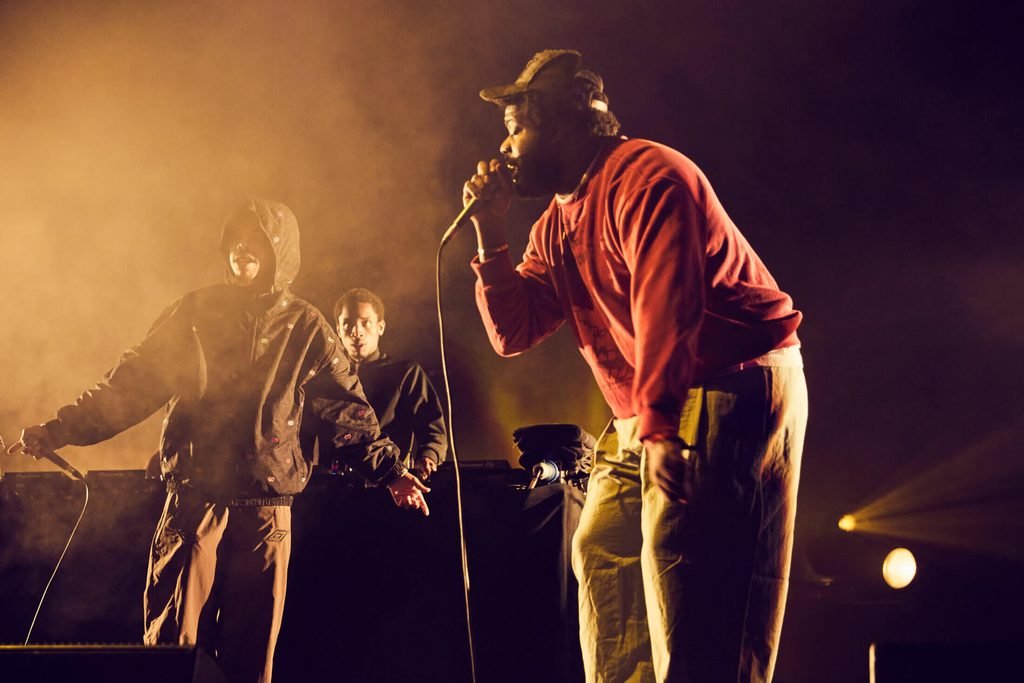
In stark contrast, Earl Sweatshirt and MIKE head up the picturesque Garden Stage with a confidently minimal setup. Backed by their two live DJs, the duo lift tracks from this year’s collaborative album OMPEII // UTILITY as MIKE fulfils the role of hypeman and Earl, predictably, delivers the vibes.
Canadian songwriter Sophia Stel stands tall as Sunday’s highlight. Blending melodic pop toplines and reverberated, hip hop-informed beats, Stel makes for the perfect chaperone to lead the tired festival-goer from afternoon into evening, before the ever-reliable Kurt Vile closes the weekend at the Garden Stage to a huge crowd.
For all of the musical highlights on offer, End of the Road’s real magic lies in its shapeshifting ability to be all things at once. Some of the most exciting names in punk, electronic, hip hop and folk can be found on the festival’s eclectic lineup; not to mention the comedy shows in the charmingly rural Talking Heads amphitheatre, the onsite gallery (curated this year by Babak Ganjei), or the late-night karaoke bar.
End of the Road boasts a community spirit and an enthusiasm for showcasing the weird that feels ever more difficult to find in an age where grassroots venues are disappearing by the day. Still free of corporate sponsorship and thriving after two decades, here’s to another twenty years.